Smiley: The Display Font That Brings Instant Charm
When you’re building a brand or designing a project, the typography you choose does more than just display words—it sets the entire mood. You’ve likely experienced the frustration of using a standard corporate typeface for a project that needs warmth, only to end up with a result that feels stiff and disconnected. Enter Smiley, a display font designed to bridge the gap between professionalism and playful energy. It isn’t just another cute typeface; it is a versatile tool for creatives who need to communicate joy, approachability, and personality instantly.
The Anatomy of Joy: What Makes Smiley Unique?
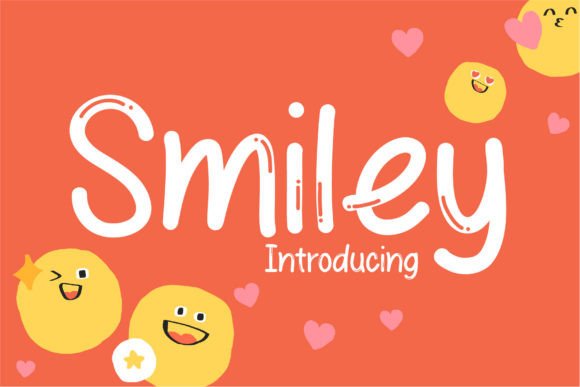
At its core, Smiley is a display typeface, meaning it is intended for use at larger sizes where its details can be appreciated. However, unlike many premium fonts in the "cute" category, Smiley avoids looking childish or unprofessional. The visual style relies on soft, rounded terminals and a consistent stroke width that mimics the ease of a handwritten font without the illegibility that often comes with script styles. It feels organic and human, giving your designs a personal touch that rigid geometric sans-serifs simply cannot achieve.
The personality of Smiley is confident but unassuming. It uses a modern typography approach where legibility is prioritized, even within its informal style. The letters have a natural bounce and rhythm that guide the eye forward. This makes it an excellent candidate for headings, subheadings, and short blocks of text where you want to grab attention without creating visual noise. It pairs exceptionally well with clean sans serif font families or even a classic serif font for contrast, allowing you to create a robust visual hierarchy within your layouts.
Real-World Applications: Where Smiley Shines
The true test of any creative font is how well it adapts to different mediums. Smiley is a workhorse for specific niches, particularly those targeting family, lifestyle, and consumer markets.
Branding and Logo Design:
If you are a small business owner in the food, wellness, children’s education, or creative services industry, logo design is critical. Smiley offers a distinct character that helps with brand recognition. It suggests that your brand is friendly, transparent, and service-oriented. When used for a logo, it creates an immediate emotional connection with the audience, signaling that they can expect a pleasant experience.
Publishing and Editorial Design:
For bloggers and publishers, engagement is everything. Using Smiley for blog post titles or chapter headers in editorial design breaks the monotony of long-form reading. It invites the reader into the content. It is particularly effective for magazines or newsletters focusing on parenting, DIY, cooking, or travel. The font’s charm can lower the reader's guard, making them more receptive to the content that follows.
Packaging and Physical Products:
In packaging design, shelf appeal determines sales. Smiley works beautifully for product labels, hang tags, and stickers. Whether you are selling artisanal jam, handmade soils, or stationery, this typeface adds value to the physical item. It feels tactile and premium, suggesting that care went into the product's creation.
Digital Presence and Social Media:
The digital landscape is crowded. On platforms like Instagram or Pinterest, social media graphics need to stop the scroll. Smiley is perfect for quote graphics, sale announcements, and Instagram Stories. Its high legibility ensures that your message is understood in seconds. Furthermore, in web design, using Smiley for call-to-action buttons or hero section headlines can soften the user interface, making a website feel less like a machine and more like a community.
Strategic Typography: Influence on Brand Perception
Typography is a silent ambassador for your brand. The choice to use a font like Smiley influences how your audience perceives your brand identity. By utilizing a typeface with a "cute" and "fun" feel, you are strategically positioning your brand as accessible. This is crucial for entrepreneurs who want to appear approachable rather than intimidating.
However, there is a balance to strike. While Smiley is a commercial font built for broad use, it is essential to consider the context of your industry. For a legal firm or a financial institution, Smiley might undermine trust. But for a daycare, a bakery, or a lifestyle coach, it builds trust by signaling alignment with the audience's values—warmth, creativity, and positivity. It contributes to brand consistency when used across all touchpoints, from your email headers to your business cards.
Practical Guide: Integrating Smiley into Your Workflow
Adopting a new typeface requires more than just installation; it requires a strategy. Here is how to effectively integrate Smiley into your design assets:
- Evaluate the Project Fit: Before applying the font, ask yourself what the primary emotion of the project is. If the answer is "joy," "energy," or "friendliness," Smiley is likely a strong fit. If the project requires "gravity" or "tradition," consider using Smiley only as an accent rather than the primary headline font.
- Master the Font Pairing: Because Smiley has a distinct personality, it needs a partner that doesn't compete with it. A great strategy is to pair it with a neutral geometric sans serif font for body text. This allows the headings to pop while ensuring the main content remains highly readable. Avoid pairing it with other expressive script fonts or overly decorative display fonts, as this will lead to visual clutter.
- Test for Readability: Always test your typography at the size it will be viewed. While Smiley is legible, display fonts generally lose their charm if scaled down too small for body copy. Use it for headlines, subheads, and callouts. For smaller text, revert to your neutral body font to maintain a professional standard.
- Check the Styles: A robust premium font often comes with various weights or stylistic alternates. Check if Smiley offers bold or light versions. Using different weights of the same typeface is an easy way to create depth in your designs without introducing new fonts.
- Understand Licensing: Since this is a commercial font, ensure your license covers your specific usage. If you are a freelancer creating logos for clients, you generally need a license that permits embedding the font in digital files or allowing the client to use the final output. Always review the terms to avoid legal headaches down the road.
Enhancing Your Creative Toolkit
Every designer, crafter, and marketer needs a library of reliable tools. Fonts are arguably the most versatile asset you can own. Adding Smiley to your collection gives you a reliable solution for projects that require a human touch. It saves you time searching for a typeface that balances professionalism with personality.
Consider the versatility for personal projects as well. Beyond client work, Smiley is excellent for personal photo albums, birthday invitations, and greeting cards. It brings a cohesive look to your memories and celebrations. For educators and parents, it can make worksheets and learning materials more engaging for children, turning mundane tasks into fun activities.
Ultimately, the goal of design is communication. Smiley ensures that your message is not only read but felt. It strips away the formality that often creates distance between a brand and its audience. By incorporating this typeface into your workflow, you are choosing to communicate with clarity, warmth, and a smile. It is a small change in your design assets that can lead to a significant improvement in how your audience engages with your content. Add it to your toolkit, experiment with its potential, and watch it transform your next project into something truly memorable.