Flower Font: A Groovy Display Typeface for Creative Projects
Finding a typeface that balances personality with professionalism can feel like searching for a hidden gem. You need something that catches the eye, communicates a specific vibe, and still holds up across different applications. Flower enters the scene as a premium font option that brings a distinct, retro-inspired energy to modern design work. It’s more than just letters on a screen; it’s a design tool built for projects that need to stand out with a playful, confident voice.
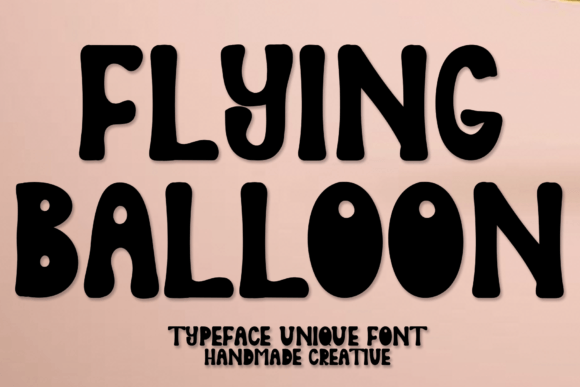
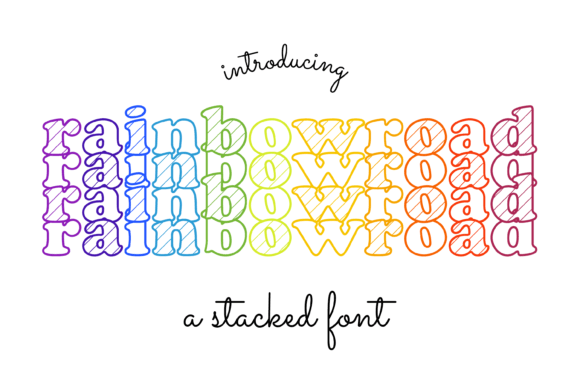
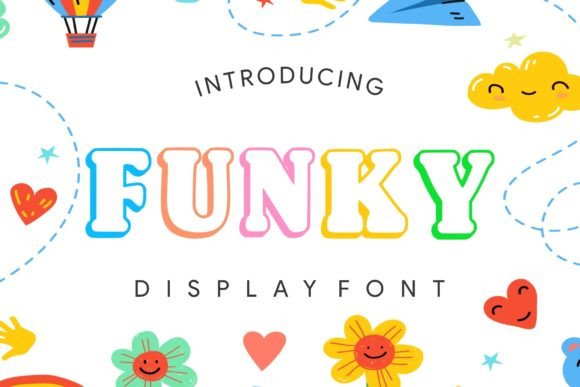
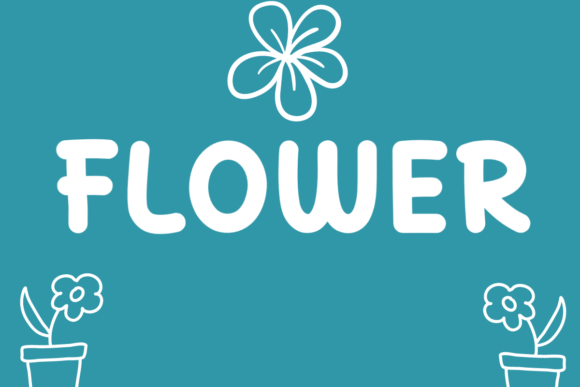
Visually, Flower is a display font that leans into a groovy, rounded aesthetic. Its characters feature soft curves, consistent stroke widths, and a slightly condensed form that creates a friendly, approachable feeling. Think of it as a modern take on 1970s typography—warm, inviting, and full of charm. The letterforms have a subtle bounce and a handwritten quality without crossing into a full script font or handwritten font territory. This makes it versatile enough for headlines that need energy but still require clarity. The overall appeal is cute and trendy, making it a strong contender for brands and creators targeting audiences who appreciate nostalgic yet contemporary design.
Where This Creative Font Truly Shines
The real strength of a creative font like Flower lies in its application. It’s not designed for body text in a lengthy report, but it excels where first impressions and visual impact matter most. For entrepreneurs and small business owners, this typeface can become a cornerstone of a brand identity that feels unique and memorable. Imagine it on product packaging for artisanal goods, on the header of a boutique e-commerce site, or as the primary font for a bakery’s logo design. Its groovy personality instantly communicates a sense of fun and craftsmanship.
For designers and marketers, Flower is a valuable addition to a library of design assets. In social media graphics, it can make quotes, announcements, and promotional posts pop off the screen. The font’s style is inherently shareable and eye-catching in a crowded feed. In editorial design, such as magazine covers or feature headlines, it injects a dose of personality that can define a publication’s tone. Packaging design is another natural fit; think of labels for cosmetics, snacks, or beverages where a playful, approachable aesthetic is key. For personal projects, from wedding invitations to custom T-shirts and tote bags, Flower delivers a professional yet whimsical touch that generic fonts simply can’t match.
Making Strategic Choices with Your Typeface
Choosing the right font involves more than just liking how it looks in isolation. A practical approach is to evaluate how Flower fits within your project’s broader context. Start by defining the project’s primary goal. Is it to attract a younger demographic? To convey a sense of handmade quality? To stand out in a competitive market? If the answer aligns with the font’s groovy, friendly personality, it’s likely a good match.
Next, consider font pairing. A display font like Flower needs a stable partner for longer text. Pair it with a clean, neutral sans serif font or a classic serif font to create a balanced visual hierarchy. For example, use Flower for a main headline and a sans serif like Open Sans or Lato for subheadings and body copy. This contrast ensures readability while letting the display font do its job of grabbing attention. Always test your pairings in context—view them on a mockup of your website, business card, or product label to see how they interact.
Before finalizing, review the font’s full character set and any included styles. Check for essential punctuation, numbers, and multilingual support if needed. Readability considerations are paramount. While Flower is designed for impact, ensure that key information like prices, contact details, or critical instructions remains clear at the intended size. Finally, for any commercial use, verify the commercial font licensing. Understanding the terms ensures your beautiful design is also legally sound, whether you’re creating client work, selling products, or building a brand. By thoughtfully integrating a font like Flower, you’re not just decorating a project—you’re shaping its entire personality and how your audience perceives it.